


EMDR Therapy in Epsom, Surrey
Evidence-based trauma therapy that helps you process difficult experiences and move forward

Many of my clients come to me after years of managing — holding things together on the outside while quietly struggling inside. EMDR is often the thing that finally helps them process what talking therapy couldn't reach.
If you are struggling with distressing memories, PTSD, or anxiety that won't shift, EMDR (Eye Movement Desensitisation and Reprocessing) can help.
I am Thulasi, a BABCP Accredited CBT Therapist and EMDR UK Accredited Therapist based in Epsom. I specialise in helping people move past trauma and find emotional freedom.
EMDR is recognised by the NHS and NICE as a highly effective treatment for trauma and PTSD. It works by helping your brain reprocess difficult memories so they become less overwhelming and distressing.
You Don’t Have To Keep Carrying This
EMDR may be right for you if any of the following feels familiar:
Something happened — recently or years ago — and you still can't fully leave it behind
You understand why you feel the way you do — but that understanding hasn't made it stop
You've tried talking therapy and it helped, but the anxiety or dread is still there in your body
You carry stress physically — tension, a racing heart, hypervigilance, difficulty sleeping or pain
Certain situations, people, or memories trigger a reaction that feels out of proportion
You feel like you're always waiting for something to go wrong, even when things are fine
You're functioning on the outside — working, parenting, managing — but exhausted by the effort of it
You want to get to the root of it, not just learn to cope with it
EMDR doesn't require you to describe everything in detail. It works with how your brain has stored the experience — and helps it process what got stuck.
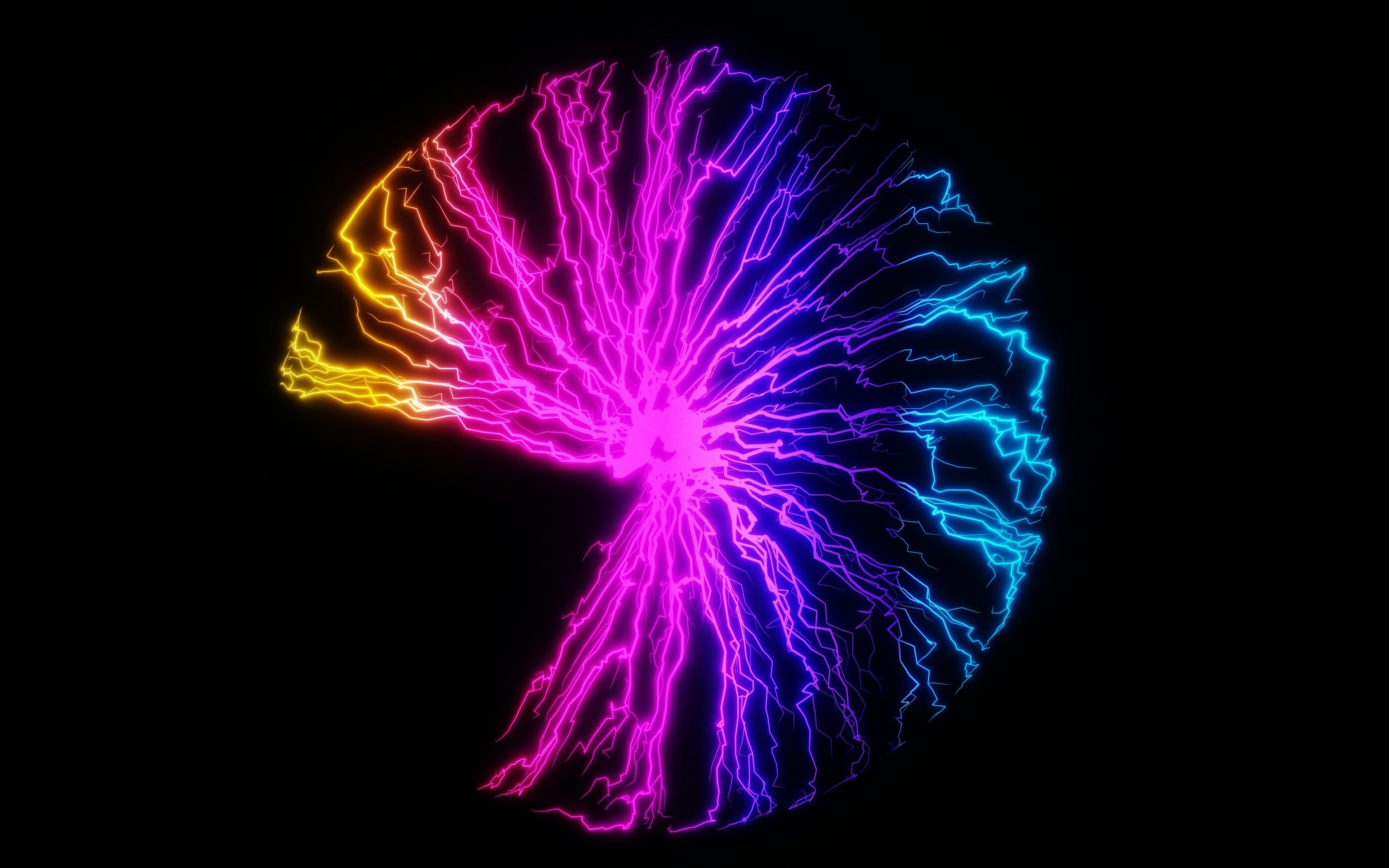
Rewiring the Response to Trauma
The Neuroscience of "Stuck" Trauma - trauma and chronic stress physically change the way your brain stores information. These 'wiring' patterns are why you can understand your problem intellectually, but still feel the anxiety in your body. EMDR helps to re-route these pathways, moving memories from a state of 'high-alert' into calm, long-term storage.
What Is EMDR Therapy?
EMDR helps your brain "unlock" traumatic memories. When trauma happens, the memory can get stuck in its raw form. EMDR uses bilateral stimulation (like eye movements or tapping) to activate your brain's natural healing process.
It doesn't erase the memory, but it removes the "sting." You’ll still remember what happened, but you won't feel the same intense physical reaction.
Expert Trauma Support in Surrey
I am a BABCP Accredited CBT Therapist and an Accredited EMDR Therapist with EMDR UK. Many of my clients come to me after trying traditional talking therapy and finding that it didn't quite reach the "root" of the issue. EMDR allows us to work at a deeper level without you having to talk through every painful detail of your past.

Frequently Asked Questions
-
This depends on the nature of the issue, its severity, and how long you’ve been struggling with it. While EMDR is often faster than traditional talking therapies, it is not an overnight fix. On average, many of my clients work with me for around 5 months (approximately 20 sessions). Some find resolution sooner, while others with complex histories may choose to work together for a little longer. We will regularly review your progress to ensure the pace feels right for you. My aim is always to help my clients feel better as quickly as possible to move forward in your lives.
-
One of the most significant benefits of EMDR is that you don’t have to describe every painful detail out loud. Unlike traditional talking therapy, the focus is on how your brain processes the memory internally using bilateral stimulation. While we identify the events we are working on, you won't be required to "relive" the trauma verbally if you don't wish to.
-
Yes. Since the pandemic, research has shown that online EMDR is equally effective as in-person treatment. It really comes down to personal preference. Some clients value the comfort and privacy of their own home, while others prefer to have a dedicated, neutral space in my Epsom clinic to separate their "therapy time" from their daily life. I am happy to work with whichever environment helps you feel most at ease.
-
Because EMDR triggers the brain’s natural healing process, it’s normal to feel tired or "mentally full" afterward. Your brain may continue to process the work for a day or two. This is why we spend our early sessions building an "emotional toolbox" of grounding techniques, ensuring you feel stable and safe before and after every reprocessing session.
-
Not at all. While it is the gold standard for PTSD, EMDR is also highly effective for "small-t" traumas—the life experiences that have left you with negative beliefs like "I’m not good enough" or "I’m unsafe." If a past event is still affecting your confidence, anxiety levels, or performance today, EMDR can help.
Deciding to start trauma therapy is a significant step. If you're unsure if EMDR is the right fit, or if you just want to see how we might work together, please reach out. There is no obligation to book—just a quiet, confidential space to discuss how you're feeling and how I can help.
Want to Understand EMDR Better?
Read how EMDR helped one woman reclaim her life after trauma:
Wondering what EMDR actually feels like in practice? A client shares her experience:

“I came in not really knowing what EMDR was. What surprised me most was how processing one memory shifted the others too—things that had felt really seismic just... diminished. The biggest takeaway was realising how disconnected I was from my body, and how much it was telling me. I now find it so much easier to pause, notice, and re-evaluate. It felt like relinquishing control to gain control—which sounds strange, but once you've experienced it, you understand exactly what that means.”
— Emma | EMDR Client (read her full story)
Getting Started is Simpler Than You Think
Taking the first step towards EMDR can feel daunting. Here's what happens when you reach out:
Get in touch
1
Send me a short message via the contact form or email. There's no right or wrong way to do this — just tell me a little about what's brought you here.
We have a free 15-minute call
2
I'll be in touch personally, usually within 24 hours, to arrange a brief introductory call. This is a chance for us to speak, for me to understand what you're looking for, and for you to get a sense of whether I feel like the right fit. No commitment, no pressure.
We begin
3
If we both feel it's right, we'll agree a regular weekly time to meet — either in person at my practice in Epsom, or online.
What My Clients Say
“I would like to wholeheartedly recommend Thulasi Mohanadas for the exceptional support she provides as a therapist.
Working with Thulasi has been a deeply valuable experience. Through her thoughtful and structured approach, particularly using EMDR techniques, she helped me process both past and more recent traumatic experiences in a way that felt safe, constructive, and empowering.
What sets Thulasi apart is her rare balance of qualities. She is attentive and highly detail oriented, bringing professionalism and intellectual rigour to her work, while at the same time being deeply human, compassionate, and present. In every session she created a space where I felt genuinely listened to and understood.
Her ability to guide difficult conversations with care and clarity, while helping translate emotional insight into practical progress, made a meaningful difference in my healing process.
I am grateful for the support she has provided and would strongly recommend her to anyone seeking a thoughtful, skilled, and empathetic therapist.”
— EMDR Client | Senior Commercial Executive | Fast Moving Goods Industry
Book Your Free 15-Minute Consultation.
I offer EMDR therapy in-person in Epsom and online across the UK. Use this form to get in touch.
Session fees are £135 per session. I do work with some medical insurance companies on a ‘pay and reclaim’ basis.